Slow-Simmered Beef Ragu Pasta Like an Italian Classic – Rich, Comforting, and Simple
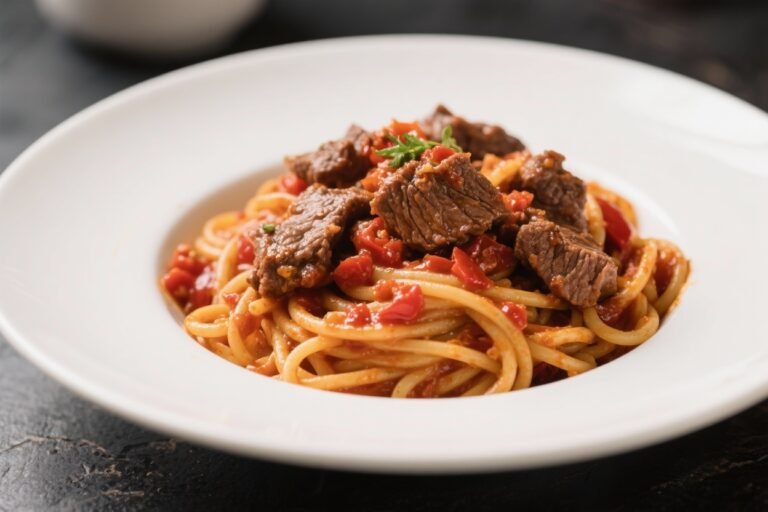
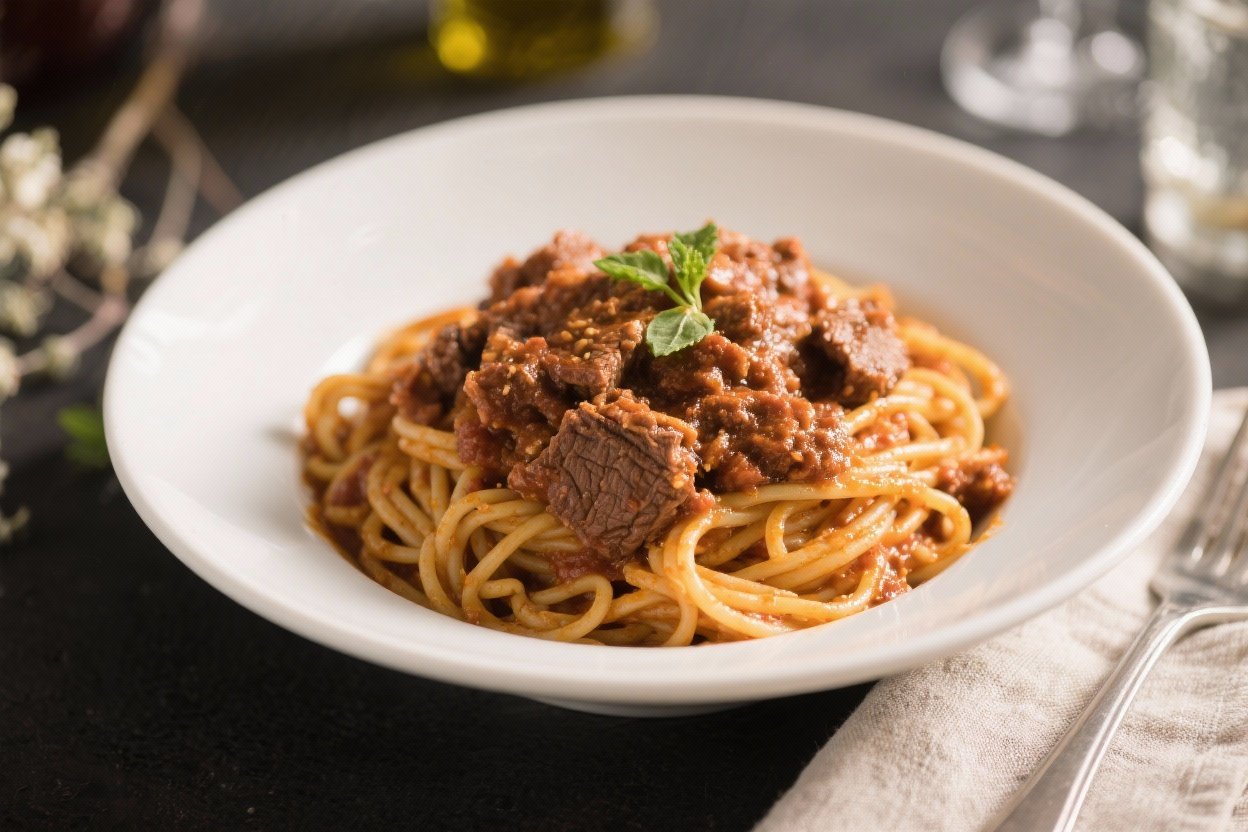
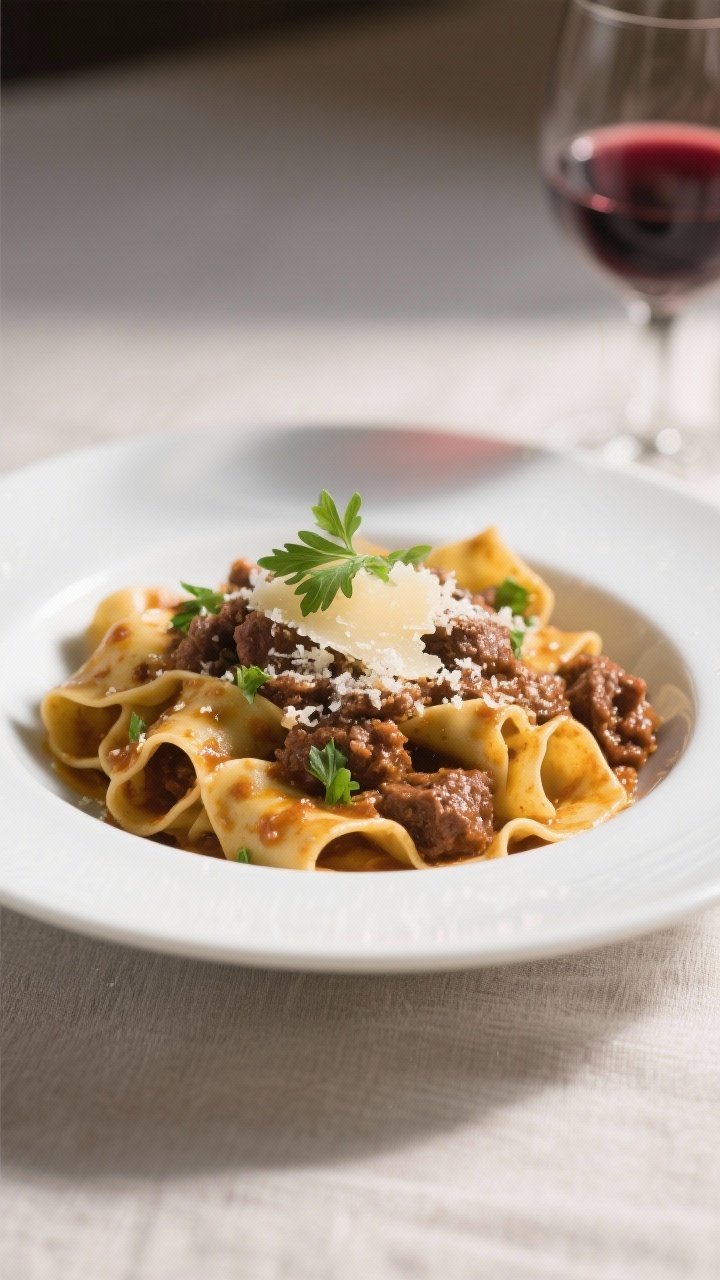
There’s something special about a pot of beef ragu slowly bubbling away on the stove. The aroma fills the kitchen, the sauce turns silky, and the meat becomes tender enough to melt into the pasta. This version leans on Italian home-cooking basics: time, patience, and a few good ingredients.
It’s not complicated, but it tastes like it took all day—because it kind of does, in the best way. Serve it with a glass of red wine and a simple salad, and you’re set.
Slow-Simmered Beef Ragu Pasta Like an Italian Classic - Rich, Comforting, and Simple
Ingredients
- Olive oil
- Unsalted butter (optional, for richness)
- Yellow onion
- Carrots
- Celery
- Garlic
- Tomato paste
- Crushed tomatoes (or passata)
- Dry red wine (Chianti or similar)
- Beef stock or broth
- Ground beef (80/20) or beef chuck, finely chopped
- Pancetta or bacon (optional, for depth)
- Bay leaves
- Fresh thyme or rosemary
- Whole milk or heavy cream (optional, for rounding acidity)
- Parmesan rind (optional, highly recommended)
- Salt and black pepper
- Red pepper flakes (optional)
- Pasta (pappardelle, tagliatelle, or rigatoni)
- Fresh parsley and/or basil
- Freshly grated Parmesan cheese
Instructions
- Prep the base: Finely dice onion, carrots, and celery. Mince garlic.If using pancetta, cut it into small pieces.
- Sauté the aromatics: Heat olive oil (and a knob of butter if using) in a heavy pot over medium heat. Cook pancetta until lightly crispy. Add onion, carrot, and celery with a pinch of salt.Cook 8–10 minutes until soft and sweet, then stir in garlic for 30 seconds.
- Brown the meat: Add beef. Season with salt and pepper. Cook until well-browned, breaking it up but leaving some texture.Take your time—color equals flavor.
- Tomato paste toast: Stir in tomato paste and cook 2–3 minutes until darkened and fragrant.
- Deglaze with wine: Pour in red wine and scrape up browned bits. Simmer until mostly reduced.
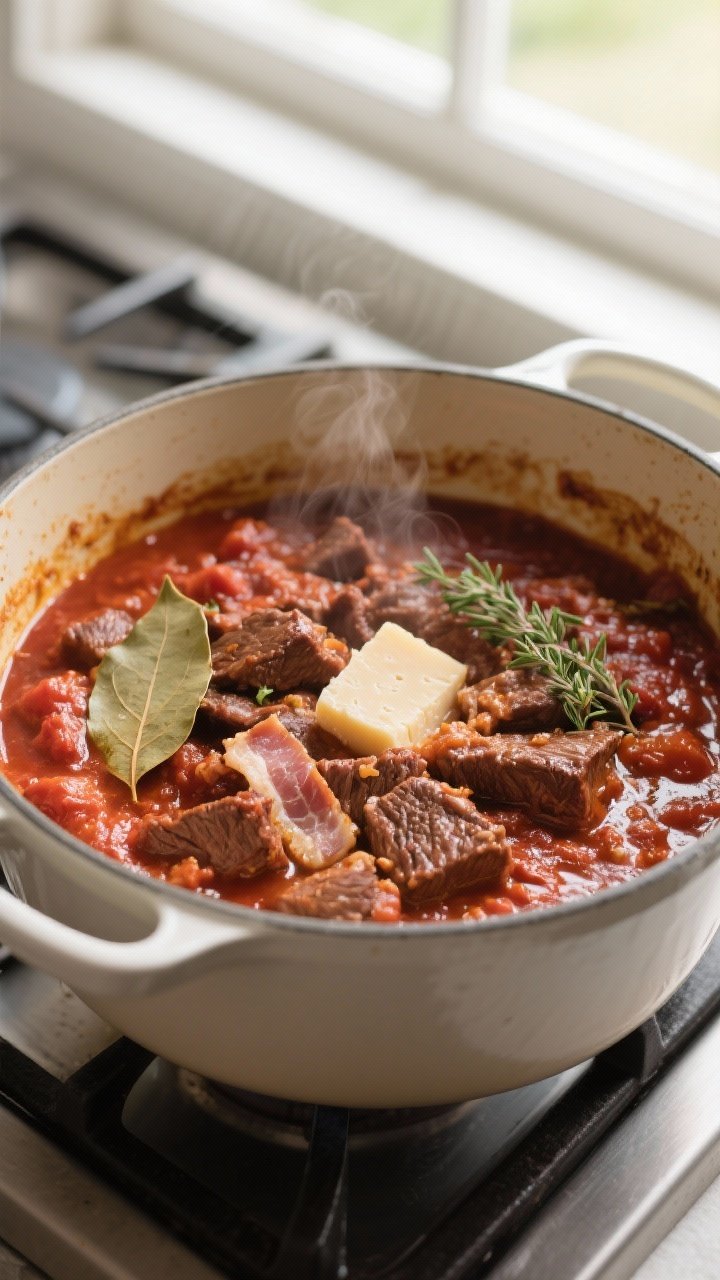
- Build the sauce: Add crushed tomatoes, a splash of beef stock, bay leaves, thyme/rosemary, and the Parmesan rind if you have it. Bring to a gentle simmer.
- Low and slow: Partially cover and simmer on low for 2–3 hours, stirring occasionally.Add more stock as needed to keep it saucy but thick. The sauce should become glossy and rich.
- Finish and balance: Remove bay leaves and herb stems. Stir in a splash of milk or cream to soften acidity.Adjust salt, pepper, and a pinch of red pepper flakes if you like heat.
- Cook the pasta: Boil pasta in well-salted water until just shy of al dente. Reserve 1 cup of pasta water.
- Marry sauce and pasta: Add pasta to the ragu with a ladle of pasta water. Toss over low heat until the sauce clings and coats.Finish with a drizzle of olive oil and grated Parmesan.
- Serve: Top with chopped parsley or basil and extra Parmesan. Eat immediately.
What Makes This Recipe So Good
- Deep flavor from slow cooking: Simmering for two to three hours gives the sauce a rich, layered taste.
- Balanced and savory: Tomato, wine, herbs, and umami from beef and Parmesan make every bite cozy and satisfying.
- Flexible and forgiving: You can use ground beef, chuck, or a mix, and it still turns out great.
- Restaurant-worthy texture: The sauce clings to pasta thanks to proper reduction and starchy pasta water.
- Make-ahead friendly: It tastes even better the next day and freezes beautifully.
Shopping List
- Olive oil
- Unsalted butter (optional, for richness)
- Yellow onion
- Carrots
- Celery
- Garlic
- Tomato paste
- Crushed tomatoes (or passata)
- Dry red wine (Chianti or similar)
- Beef stock or broth
- Ground beef (80/20) or beef chuck, finely chopped
- Pancetta or bacon (optional, for depth)
- Bay leaves
- Fresh thyme or rosemary
- Whole milk or heavy cream (optional, for rounding acidity)
- Parmesan rind (optional, highly recommended)
- Salt and black pepper
- Red pepper flakes (optional)
- Pasta (pappardelle, tagliatelle, or rigatoni)
- Fresh parsley and/or basil
- Freshly grated Parmesan cheese
Step-by-Step Instructions
- Prep the base: Finely dice onion, carrots, and celery. Mince garlic.
If using pancetta, cut it into small pieces.
- Sauté the aromatics: Heat olive oil (and a knob of butter if using) in a heavy pot over medium heat. Cook pancetta until lightly crispy. Add onion, carrot, and celery with a pinch of salt.
Cook 8–10 minutes until soft and sweet, then stir in garlic for 30 seconds.
- Brown the meat: Add beef. Season with salt and pepper. Cook until well-browned, breaking it up but leaving some texture.
Take your time—color equals flavor.
- Tomato paste toast: Stir in tomato paste and cook 2–3 minutes until darkened and fragrant.
- Deglaze with wine: Pour in red wine and scrape up browned bits. Simmer until mostly reduced.
- Build the sauce: Add crushed tomatoes, a splash of beef stock, bay leaves, thyme/rosemary, and the Parmesan rind if you have it. Bring to a gentle simmer.
- Low and slow: Partially cover and simmer on low for 2–3 hours, stirring occasionally.
Add more stock as needed to keep it saucy but thick. The sauce should become glossy and rich.
- Finish and balance: Remove bay leaves and herb stems. Stir in a splash of milk or cream to soften acidity.
Adjust salt, pepper, and a pinch of red pepper flakes if you like heat.
- Cook the pasta: Boil pasta in well-salted water until just shy of al dente. Reserve 1 cup of pasta water.
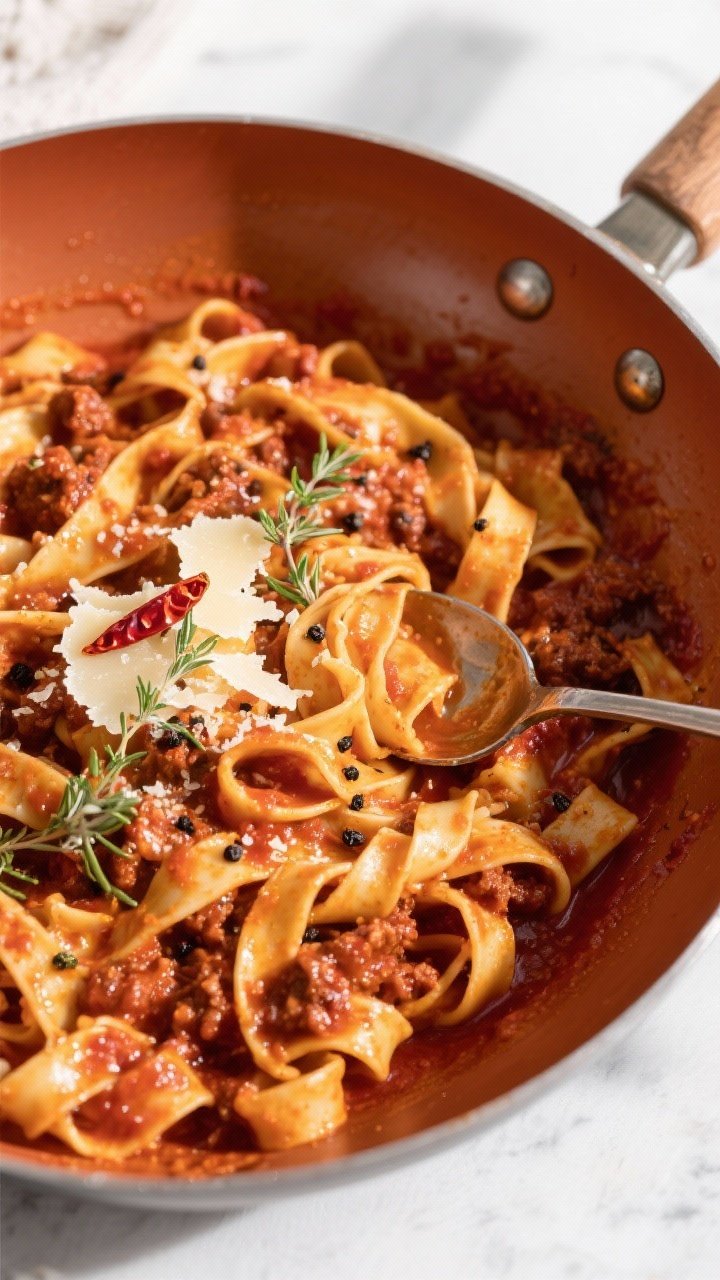
- Marry sauce and pasta: Add pasta to the ragu with a ladle of pasta water. Toss over low heat until the sauce clings and coats.
Finish with a drizzle of olive oil and grated Parmesan.
- Serve: Top with chopped parsley or basil and extra Parmesan. Eat immediately.
Keeping It Fresh
- Fridge: Store in an airtight container for up to 4 days. It tastes even better on day two.
- Freezer: Freeze the ragu (without pasta) for up to 3 months.
Thaw overnight in the fridge.
- Reheat gently: Warm on low with a splash of water or stock. Refresh with a little olive oil and Parmesan.
- Cook pasta fresh: For best texture, cook pasta right before serving and toss with reheated ragu.
Benefits of This Recipe
- Budget-friendly: Uses humble cuts and pantry staples to create a luxurious sauce.
- Scales well: Double the batch for meal prep or a crowd.
- Family favorite: Comforting flavors that suit all ages.
- Versatile: Works with many pasta shapes and sides.
Common Mistakes to Avoid
- Rushing the browning: Pale meat means less flavor. Let it get deep brown.
- Skipping reduction: Reduce wine and simmer the sauce long enough for a concentrated taste.
- Overcooking pasta: Slightly undercook it, then finish in the sauce.
- Forgetting seasoning at the end: Taste and adjust salt, pepper, and acidity before serving.
- Using too much liquid: The ragu should be thick and clingy, not soupy.
Alternatives
- Meat swaps: Try half beef/half pork, or use finely chopped beef chuck for a heartier texture.
- No wine: Use extra stock plus a splash of balsamic for depth.
- Tomato options: Passata for smoothness, or whole peeled tomatoes crushed by hand for texture.
- Dairy-free: Skip butter and milk; finish with olive oil for richness.
- Pasta: Pappardelle and tagliatelle are classic, but rigatoni and mafaldine work beautifully.
FAQ
Can I make this in a slow cooker?
Yes.
Brown the pancetta, soffritto, and meat on the stove first, then transfer everything to the slow cooker. Cook on low for 6–8 hours. Finish on the stove to reduce if needed.
What if I don’t have Parmesan rind?
Skip it, or add an extra handful of grated Parmesan at the end.
A small splash of soy sauce can also boost umami without tasting “soy.”
How do I avoid greasy ragu?
Use 80/20 beef and skim excess fat during the simmer if needed. Finishing with milk or cream also helps emulsify and smooth the sauce.
Can I make it ahead?
Absolutely. The flavor improves after resting.
Reheat gently and add a touch of water or stock to loosen before tossing with fresh pasta.
What’s the best wine to use?
Choose a dry red you’d drink—Chianti, Sangiovese, or a medium-bodied blend. Avoid sweet wines.
Wrapping Up
Slow-simmered beef ragu is the kind of meal that rewards patience with incredible flavor. With a handful of staples and a few hours on the stove, you get a silky, rich sauce that feels like a warm hug.
Keep it simple, take your time, and let the ragu work its magic on your favorite pasta. It’s classic comfort, done right.